
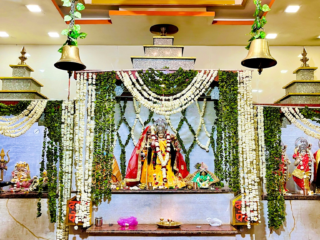
Maa Durga Mandir, Bhavani Chok, Bhopal
Maa Durga Mandir, also known locally as Curfew Wali Mata Temple or Maa Bhawani Mandir, is a revered Hindu temple situated in the historic core of Bhopal, Madhya Pradesh. Dedicated to Goddess Durga, the temple stands at Bhawani Marg in Peetal Nagri near Azad Market and Peer Gate, attracting a steady flow of devotees throughout the year. Historical significance The temple gained prominence in the early 1980s during a major public movement that followed administrative attempts to remove its original deity idol. The ensuing protests, curfews, and eventual restoration of the idol earned it the popular name Curfew Wali Mata Mandir, symbolizing the community’s devotion and unity. Architecture and layout Although modest in size, the temple houses intricately adorned idols of Goddess Durga along with other deities such as Hanuman, Lord Rama and Sita, and Radha-Krishna. The inner sanctum and surrounding courtyards provide a traditional setting for daily worship and festive processions. Religious and cultural importance Maa Durga Mandir is a vital religious center for residents of old Bhopal, particularly during Navratri, when elaborate rituals, music, and devotional gatherings take place. Its accessible location near the city’s central market makes it a hub for community worship and social congregation
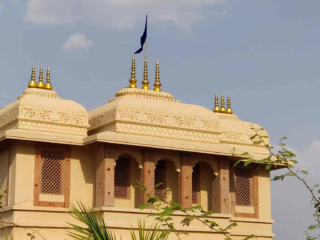
ISKCON BHOPAL Main temple
ISKCON Bhopal Main Temple, formally known as Sri Gaura Radha Vallabha Mandir, is a spiritual and cultural center managed by the International Society for Krishna Consciousness (ISKCON). Located at Hare Krishna Land on Raisen Road, Patel Nagar, Bhopal, it serves as a prominent place of worship and community activity for devotees of Lord Krishna Background The temple functions as both a monastery and a hub for spiritual education rooted in the principles of bhakti-yoga, emphasizing loving service to Sri Krishna. It was established to provide devotees and visitors with a sacred space for meditation, chanting, and philosophical discussion inspired by the teachings of A.C. Bhaktivedanta Swami Prabhupada, ISKCON’s founder. Architecture and Environment Set amidst lush greenery, the temple’s architecture combines traditional Vedic elements with modern design. The main sanctum enshrines beautifully adorned deities of Sri Radha and Krishna, whose installation (vigraha sthapna) is celebrated through elaborate ceremonies. Marble carvings, ornate ceilings, and peaceful gardens enhance the temple’s serene atmosphere, inviting both worshippers and tourists alike Activities and Community Life ISKCON Bhopal conducts regular programs such as kirtan (devotional singing), bhajan sessions, and scriptural lectures based on the Bhagavad Gita. Its “Spiritual Sundays” feature congregational worship, prasadam (sanctified food distribution), and lectures by senior devotees. Annual events like Ratha Yatra and Janmashtami attract large crowds, emphasizing the temple’s role as a hub for devotion and cultural celebration
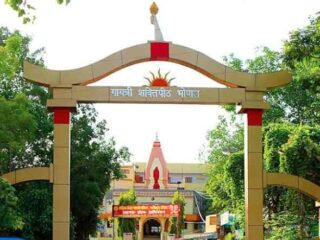
Gayatri Temple
Gayatri Temple in Bhopal, Madhya Pradesh, is a prominent Hindu temple dedicated to Goddess Gayatri, revered as the embodiment of divine wisdom. Established in 1983, it serves both as a place of worship and as a community wellness center promoting spiritual and holistic well-being. The temple’s tranquil environment and community initiatives make it a notable religious landmark in the city. Background and Significance Situated in Maharana Pratap Nagar, the temple was founded under the spiritual guidance of the All World Gayatri Pariwar. It is also known locally as Gayatri Shaktipeeth. The complex features a main sanctum dedicated to Maa Gayatri and is regarded as the regional headquarters for Gayatri Parivar’s activities in Madhya Pradesh. Architecture and Facilities The temple compound includes landscaped gardens, a Gaushala (cow shelter), and a health-oriented park with an acupressure walkway. Devotees can participate in yajnas (ritual offerings), meditation sessions, and yoga classes. Small outlets within the complex serve herbal juices, sprouts, and dairy products produced on-site, emphasizing seva bhav (selfless service). Visitor Experience Visitors describe the temple as peaceful and uplifting, especially during morning yoga or the evening aarti. The caretakers are praised for their humility and service-mindedness. Feeding cows and walking barefoot on the acupressure path are popular experiences. The temple remains open daily from early morning until evening, welcoming both locals and travelers seeking serenity.
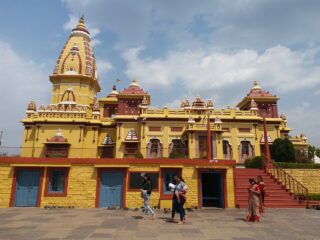
Birla Mandir
Birla Mandir, also known as Laxmi Narayan Temple, is a renowned Hindu temple complex located on Arera Hills in Bhopal, Madhya Pradesh. Built and maintained by the industrial Birla family, it serves as a major spiritual and cultural landmark in the city, offering panoramic views of Bhopal’s landscape and the tranquil Lower Lake. Background Constructed to honor Goddess Lakshmi and Lord Vishnu (Narayana), the temple also includes shrines dedicated to Lord Shiva and Goddess Parvati. The architecture features elegant yellow sandstone and white marble, creating a serene yet grand ambiance. The temple grounds include manicured lawns and a museum displaying ancient sculptures and artifacts from various regions of Madhya Pradesh. Architecture and Setting The temple’s structure combines classical North Indian design with modern craftsmanship. Its towering spire (shikhara) dominates the Arera Hills skyline, while its expansive lawns and gardens offer calm surroundings ideal for meditation and reflection. The entrance features an impressive archway leading into spacious courtyards and prayer halls, reinforcing the temple’s tranquil character.
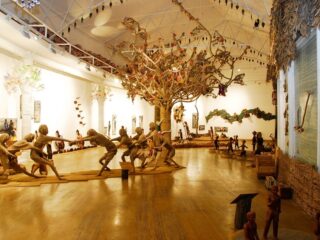
Tribal Museum Bhopal — Folk & Indigenous Culture
The Madhya Pradesh Tribal Museum is a vibrant showcase of tribal life, traditional knowledge systems and cultural practices from across the state. Exhibits feature artefacts, dwellings, crafts, ritual items and galleries dedicated to tribal spirituality and lifestyles. Designed to provide immersion rather than just view-only displays, the museum uses scale models, audio guides and interactive storytelling. It’s an excellent complement to the State Museum with a more focused lens on indigenous cultures. Visitors can also purchase traditional art and crafts in the on-site shop
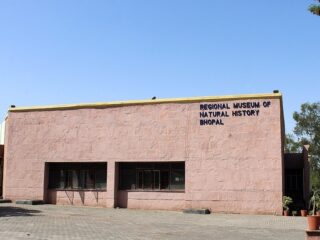
Regional Museum of Natural History (RMNH)
The RMNH in Arera Colony offers a comprehensive and interactive outlook on Central India’s natural environment, biodiversity and evolutionary history. The galleries are well curated with detailed narratives about flora, fauna and geological phenomena; the highlight is a replica of a large dinosaur skull. Interactive displays — often accompanied by audio guides — make it especially fun and educational for school groups. The museum is part of a national network and hosts special exhibits, talks, and workshops on environment and ecology. It’s ideal for families and curious minds wanting to understand the natural world around us.
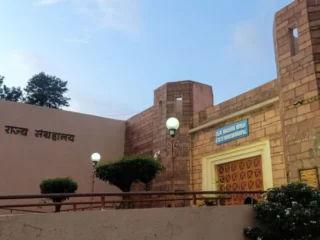
State Museum, Bhopal — Art & History Gallery
The State Museum of Madhya Pradesh in Shyamla Hills is the city’s premier cultural repository; it showcases thousands of artefacts from the region’s past including sculptures, coins, textiles, manuscripts and medieval weaponry. The building itself is architecturally inviting, with ramped galleries allowing ease of movement and optimal daylight. Displays range from prehistoric and tribal objects to decorative art from princely states, making the museum a deep dive into regional history and art. It’s especially enlightening for students, historians and culture lovers. The museum regularly rotates exhibits and often holds thematic displays on art history and archaeology
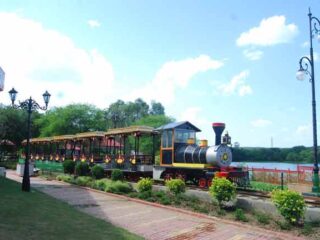
Sair Sapata — Lakefront Adventure & Fun Park
Sair Sapata is a lively tourist complex built by the Madhya Pradesh Tourism Board on the banks of the Upper Lake. Spread over 24+ acres, it features a long footpath along the lake edge, children’s playground areas, viewpoints, pedal boats, a musical fountain and a toy train. Its pedestrian suspension bridge — inspired by Rishikesh’s famous hanging footbridge — is a highlight and provides beautiful lake vistas. There are food kiosks and benches spaced along the waterfront, making it ideal for families or evening strolls. Sair Sapata is particularly popular on weekends and festival days, with local cultural performances sometimes scheduled.

Upper Lake (Bada Talab) & Boat Club
Upper Lake — also called Bada Talab — is one of the oldest man-made reservoirs in India and a signature scenic spot in Bhopal. Surrounded by shaded promenades, lakeside benches and vendors selling snacks and chai, it’s perfect for sunrise walks, relaxed evenings and photography. Boat rides provide a peaceful glide on the water, with views of the distant city skyline and birds around the lake edges. The ambience here is tranquilo and safe for families or couples seeking a quiet mood. Street food and small local eateries near the lake make it a full-day outing option. Locals often recommend visiting at sunset for the best golden glow reflections on the water. Upper Lake is also close to other attractions like Sair Sapata and Van Vihar.
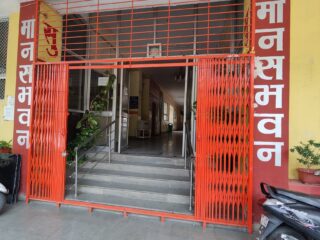
Manas Bhawan
Manas Bhawan is a long-established community center and banquet venue located near All India Radio (Akashvani) in the Shymala Hills area of Bhopal, Madhya Pradesh. Known for its spacious halls and central location, it serves as a popular site for weddings, cultural programs, and public gatherings in the city. Facilities and Capacity The venue accommodates medium to large events, with halls suitable for gatherings ranging from 200 to about 1,300 guests. Amenities typically include wheelchair-accessible entrances and parking, changing rooms, and allowances for custom decorations or external catering. Vegetarian dining options and flexible hall layouts support both formal and informal functions.