
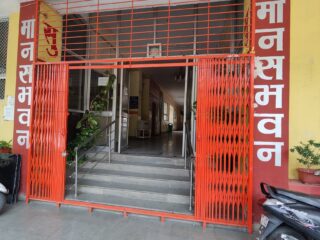
Manas Bhawan
Manas Bhawan is a long-established community center and banquet venue located near All India Radio (Akashvani) in the Shymala Hills area of Bhopal, Madhya Pradesh. Known for its spacious halls and central location, it serves as a popular site for weddings, cultural programs, and public gatherings in the city. Facilities and Capacity The venue accommodates medium to large events, with halls suitable for gatherings ranging from 200 to about 1,300 guests. Amenities typically include wheelchair-accessible entrances and parking, changing rooms, and allowances for custom decorations or external catering. Vegetarian dining options and flexible hall layouts support both formal and informal functions.
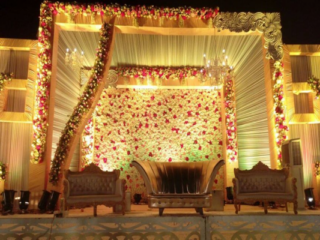
Four Seasons Lawn
Four Seasons Lawn is a popular wedding and event venue located on VIP Road behind Sufiya Masjid in the Kohefiza area of Bhopal, Madhya Pradesh, India. Known for its elegant ambiance and spacious layout, it is one of the city’s most sought-after locations for large gatherings, including weddings, receptions, and corporate events. The property combines scenic charm with modern amenities, offering both indoor banquet halls and open-air lawns for versatile event setups. Venue and Facilities Four Seasons Lawn features multiple banquet halls and a large manicured lawn accommodating up to several hundred guests. The halls are decorated with contemporary interiors and ample lighting, while the lawn provides an ideal setting for outdoor celebrations. The venue offers in-house catering and decoration services, with options for vegetarian and non-vegetarian menus. Alcohol service and outside caterers are also permitted, adding flexibility for custom event planning.
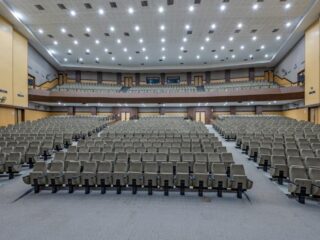
The Headquarter Banquet Hall
The Headquarter Banquet Hall is a mid-size event venue located in Zone-II, Maharana Pratap Nagar, Bhopal, Madhya Pradesh. It serves as a multipurpose hall for weddings, receptions, birthdays, and corporate gatherings, offering both vegetarian and non-vegetarian catering at budget-friendly rates. The venue is known for its elegant interiors, attentive service, and accessible central location within the city. Venue Features The banquet offers an indoor hall with a seating capacity of around 180 guests and a floating capacity of up to 300. Its décor features wooden flooring and air-conditioned comfort, suitable for formal and festive functions alike. The facility provides in-house catering with customizable menu options and permits outside decorators, though music and overnight events are not allowed
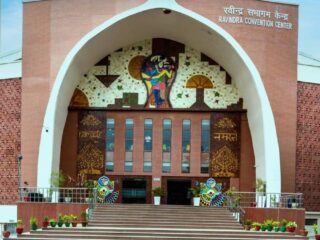
Ravindra Bhawan Bhopal
Ravindra Bhawan Bhopal is a prominent auditorium and performing arts complex in the cultural landscape of Bhopal, Madhya Pradesh, India. Situated on Rajbhavan Road near Sardar Vallabh Bhai Patel Polytechnic Chouraha, it serves as a major venue for theatrical performances, music concerts, exhibitions, and state-level cultural events. Cultural and Artistic Hub Since its establishment, Ravindra Bhawan Bhopal has been a centerpiece for performing arts in the city, often likened to Bharat Bhavan and Shaheed Bhawan for its role in promoting art and literature. The venue hosts regular theater productions, poetry festivals, and exhibitions such as Lokrang Festival and GifLif Festival, which draw artists and audiences from across India. It provides both indoor auditoriums and open-air stages, catering to a wide range of cultural activities
Kushabhau Thakre Hall
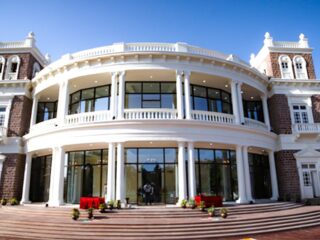
Kushabhau Thakre Hall is a heritage convention and cultural complex in Jahangirabad, Bhopal, Madhya Pradesh, India. Originally built as Minto Hall in the early 20th century, it now functions as a landmark venue managed by Madhya Pradesh State Tourism Development Corporation for conferences, exhibitions, and fine dining. Background and Architecture The hall was commissioned in 1909 by Nawab Sultan Jahan Begum to commemorate the 90th anniversary of the Anglo–Bhopal Treaty of 1818. Its foundation was laid by Lord Minto, the then Viceroy of India. The structure reflects European architectural influences, featuring two stories, arcades, and decorative plasterwork with floral motifs. Its crown-like exterior design evokes royal symbolism. Construction took over two decades and was completed in 1933 during the reign of Nawab Hamidullah Khan